Monday, May 16, 2011

Vegetable Cous Cous / Cous Cous Kichadi


Cous Cous is a type of semolina obtained from hard wheat. This colourful vegetable cous cous is prepared based on the recipe of rava kichadi. The preparation method is same for both rava and cous cous but you can find the taste distinct between the two varieties. Try this fusion recipe at home and no one says 'NO' to it after tasting it.


Ingredients:


Cous Cous - 2 cups

Onion - 1 small size , finely sliced

Finely chopped carrot, beans and peas - 1 cup, microwave or steam cooked

Green chillies - 3 nos, sliced long wise

Ginger garlic paste - 1 teaspoon

Curry leaves - 1 string

Coriander leaves - 1 string, for garnishing

Salt - To taste

Oil - 2 teaspoons

Water - 4 cups

Mustard seeds - 1 teaspoon


Method:


1) Heat oil in a wide pan in a medium flame.

2) Add mustard seeds and allow it to pop out.

3) Add curry leaves and green chillies.

4) Add onions and saute them till they turn translucent.

5) Add ginger garlic paste and saute till the raw smell of it goes off.

6) Add vegetable mixture and salt to taste. (Pressure cook or microwave the vegetable)

7) Add 4 cups of water. If you are using raw vegetable mixture, increase the water quantity to 1/4 cup and cook vegetables before adding cous cous.

8) Allow it to boil.

9) When water is boiling, add cous cous and keep stirring the mixture simultaneously.

10) Cook for few minutes till the water is absorbed by cous cous.

11) Garnish with coriander leaves and serve.

12) Tomato sauce or any pickle goes well with this vegetable cous cous.


Cous Cous Masala


Cous cous is a type of semolina which is made from the hard / durum wheat. This type of wheat is used in preparing pasta and breads. Cous Cous is high in protein and gluten. It is served with meat stew or spicy vegetables around the world. The recipe shown below is prepared based on the spices available in India in a traditional desi style.


Ingredients:


Cous cous - 1 cup

Water - 2 cups

Onion - 1 small size, finely  sliced

Tomato - 1 large size

Red chili powder - 1 teaspoon

Ginger Garlic paste - 1 teaspoon

Mustard seeds and urid dal - 1/2 teaspoon

Salt - To taste

Oil - 2 teaspoons


Method:


1) Cut tomato into small slices; grind them with red chili powder and keep this aside.

2) Take a wide pan and heat oil in it.

3) Add mustard seeds,urid dal when it is hot.

4) Once mustard seeds start to splutter, add onion and fry them.

5) Add a pinch of salt to cook onion quickly.

6) When onions turn half translucent, add ginger garlic paste and saute them well.

7) Now add ground tomato,red chili paste which we prepared in step 1.

8) Keep stirring to avoid the mixture getting burnt. Flame of the stove should be kept in medium level. Keep cooking till the raw smell of tomato goes off.

9) Add 2 cups of water and salt as per your taste.

10) Allow it to boil.

11) Add cous cous slowly and stir the contents using the other hand when the water is boiling.

12) Stir well and cook for few minutes.

13) When the water in the pan is absorbed by cous cous, turn off the flame.

14) This cous cous masalsa can be served directly or with any side dish of your choice. We enjoyed it with potato chips.


Troubleshooting Your Window Air-Conditioner

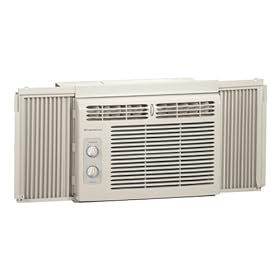
Window Air-Conditioner
Window Mount Conditioners

If you use a window-mounted air-conditioner to keep your home cool, you know how powerful these little devices can be. Like a central AC system, a window air-conditioner has both indoor and outdoor components and when something goes wrong it can be difficult to determine where the problem lies.

Understanding Your Air-Conditioner

Inside the room you will find the evaporator coil, the part of the AC that gets cold, along with the fan or blower, the thermostat and controls, the filter and a plastic face panel.

Between the interior and exterior components is a panel that helps seal the unit in the window, preventing cool air from escaping and warm air from seeping in. This panel is usually expandable, so it is easy to customize the device to fit into your window, no matter what its size.

On the outside, you will find the air-conditioner’s compressor, the condenser and the fan that blows air across the condensing coil in order to cool it. Any moisture that collects inside the unit drains along the bottom and into a metal basin, which then drips to the outside of the house, through a hole or drain tube.

Now that you know the basics, it is time to take a look at some common in-room air-conditioner problems.

Water Dripping From the Front Panel

If you notice excess condensation or water dripping from the front of your air-conditioner, it almost always means that the drain pan is tilted incorrectly. Instead of guiding water toward the back of the unit and out of your home, the basin is allowing condensation to drain into the room.

Fortunately, correcting this problem is pretty simple. You just have to adjust the drain basin so that it tilts to the back of the unit and downward.

The Unit Cycles on and off Too Frequently

This generally indicates a problem with the unit’s thermostat or temperature sensor. Possible solutions include checking that the temperature sensor is positioned properly; near but not touching the evaporator coil. Move drapes and curtains away from the front panel. Remove leaves, branches and yard debris away from the exterior condenser. If none of these suggestions resolves the problem, call in a professional to service your AC unit, checking for refrigerant leaks and damaged components

Air-Conditioner Will Not Turn On

You could have a blown fuse, it could be a popped circuit breaker or the unit could be unplugged.

Obviously, you first want to make sure the air-conditioner is plugged in properly. If this fails to solve the problem you may have to replace the blown fuse or reset the breaker that connects to your AC’s power source.

Unit Keeps Blowing Fuses

If your AC is constantly popping the circuit breaker or blowing out fuses it usually means that it is hooked up to an inadequate power source.

Most residential window units require at least 120 volts of electricity operating off a 15amp circuit. You will need more power if your AC is larger. Run the air-conditioner from its own dedicated circuit; at least 20 amps, in order to correct the problem.

Related Air Conditioning Information from Horizon Services...