Get the Lead Out...More Plumbing Contractors are Pushing Plastic Piping Than Ever Before!
Remember that famous line from
The Graduate? "I only have one word for you, Ben...
plastics." These days, plastics has become THE WORD when it comes to pipe material for your home's plumbing, drain and sewer line systems.
We all know that lead pipes are bad. Thankfully, most new homes and remodeled plumbing systems now use alternatives including copper, bronze, and iron pipes. Plastic pipes are yet another option that is quickly gaining popularity with homeowners and plumbing contractors.
Plastic piping is versatile. They can be made virtually without joints, which means no leaks, easy installation, less maintenance, and fewer problems down the road.
Because it’s so adaptable, plastic plumbing is generally cheaper than other options and you can save significantly on labor and installation charges.
Extensive testing has proven that plastic is durable and hard-wearing, lasting a hundred years or more in some cases. Plastic pipes outperform copper and other metals by dozens of years.
As an environmentally responsible option, plastic pipes are well beyond any other material. They can be recycled or made from post-consumer content, which makes them a green choice for concerned homeowners.
So it’s clear that there are lots of advantages to using plastic pipes over metal or other pipe materials. But is plastic piping really the right choice for your home? To answer that question, it’s important to know a little bit about the different kinds of plastic pipes that are available.
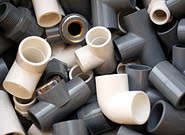
PVC (polyvinyl chloride) and CPVC (chlorinated polyvinyl chloride) are the most popular choices for plastic plumbing pipes. PVC is that stiff, rigid white plastic that we’ve all seen in various applications, from furniture to toys. PVC pipe is made from a plastic and vinyl combination material. The pipes are durable, hard to damage, and long lasting. A PVC pipe does not rust, rot, or wear over time. For that reason, PVC piping is most commonly used in water systems, underground wiring, and sewer lines. PVC pipe can be glued together with a special chemical solvent or fused and melted together by heat.
CPVC pipes are similar to PVC pipes but they are manufactured with a special chlorination production process. CPVC pipes share most of the features and properties of standard PVC pipes, but with a few differences. CPVC generally offers greater chemical and heat resistance. Structurally, CPVC is more ductile than standard PVC, providing greater crush and corrosion resistance.
Polyethylene (PE) is a flexible plastic that can be bent and shaped into just about any configuration. This kind of pipe can be curved around corners, which eliminates the need for fittings and significantly reduces the risk of leaks. Sections of PE pipe are usually joined using clamps or are melted together using heat. PE is slightly translucent and colorless; it’s a popular choice for geothermal heating systems, sprinkler systems, and other kinds of water supply systems.
Acrylonitrile Butadiene Styrene (ABS) is a hard black plastic pipe material that is similar to PVC, but generally cheaper. ABS is only appropriate for use in drainage lines and systems.
The growing popularity of plastic plumbing pipes has turned the head of many a plumbing contractor so it’s likely that yours will have an opinion about its use and appropriateness for your home. If plastic pipes are an option you’d like to consider, be sure to talk it over with your plumbing contractor. Only a trained professional can tell you if plastic is a smart way to go and should be able to give you more information about the types of plastic pipes that could work in your home.
If you have questions about whether plastic piping and pipe material are right for your home, contact Horizon Services. Our experienced plumbing, drain and sewer line professionals can give you a complete overview of plastic piping as well as other pipe material and help you make an informed decision.
Related Information from Horizon Services...